I have a confession. I never saw myself growing flowers for photography. Just a handful of years ago, I thought flowers were dumb. There, I said it. Whew.
It turned out, I just hadn’t found the right flowers for me. What I wasn’t into: imported, pesticide-sprayed flowers from overseas that you see in the grocery store. What else I wasn’t into: short, landscaping flowers alongside homes and other buildings.
However, I did notice one thing. As a photographer, I was constantly chasing locations that felt alive, often including wildflowers, which are highly weather-dependent and bloom for only a short period. I wanted a photo location I could rely on, one that photographed beautifully week after week, not just during a narrow bloom window.
Fast forward to 2023. I cannot remember if it was the flower farms popping up in the area or something that Floret posted on Instagram, but I discovered flower farming. While I’m still not big into cutting bouquets, I became obsessed with learning more about how these rows of flowers were grown and maintained since they looked PERFECT for, you guessed it, photo sessions.

Growing Flowers for Photography vs Flower Farms
I have had the pleasure of getting to know a few flower farmers, be it online friendships or in person, and I have learned more from them than all of my books combined. And while there are many similarities in how I manage my field compared to flower farmers, there are many differences, too.
Flower farms are often romanticized (because flowers are inherently romantic), but traditional flower farms are not designed for photography, which can lead to a lot of frustration for photographers.
Aside from sheer scale (I’m growing a FRACTION of what these flower farmers are growing), there are a few other key differences to note, too:
- Flower farmers harvest many flowers BEFORE they bloom, giving their clients the best vase life. I leave the flowers on the plants.
- Flower farmers are often flipping beds, planting multiple successions of flowers. In my field, we focus on certain flower varieties that bloom all season long. They are not always the best flowers for bouquets, but they work great for photos.
- Flower farmers are picking their varieties for long stems. I plant flowers for their overall height, the taller the better, in my opinion.
The Fear of Killing a Field of Flowers
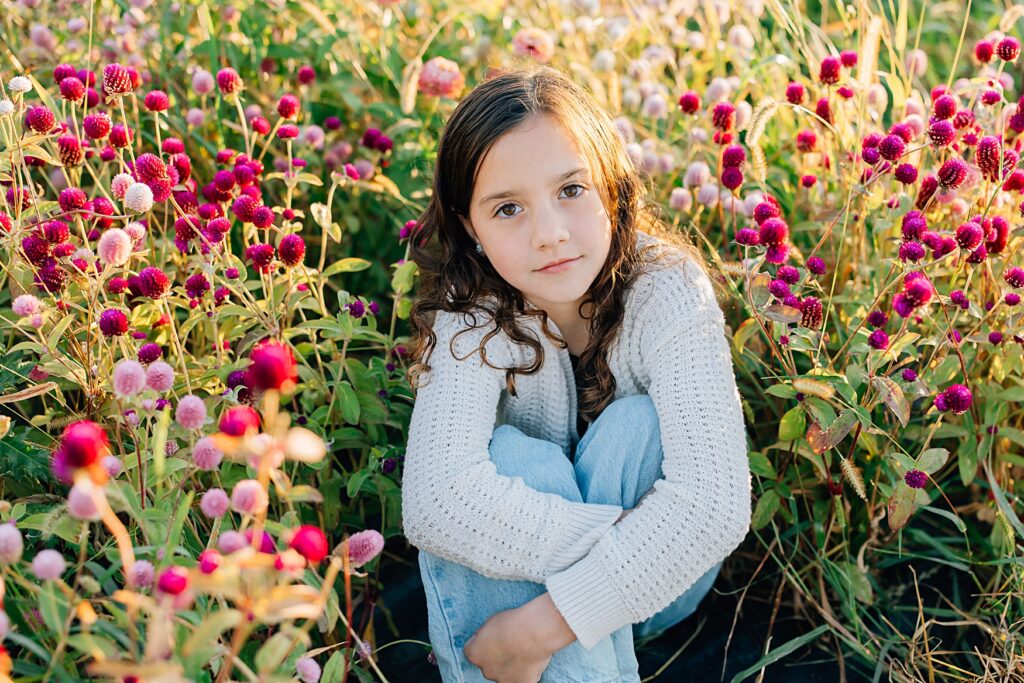
Between reading books and listening to a lot of podcasts, I’ve noticed a common theme among flower farmers that if you are going to grow flowers, you are also going to kill a lot of flowers. And in my experience, unfortunately, it’s true. Between weather, pests, and disease, I have pulled and tossed more plants out of my field than I care to count, but guess what? It still looks fantastic in photos, even with what feels like catastrophic failure.
Even in seasons where I felt like a failure as a grower, it did not limit my photography. Unexpected gaps in my field have created fun spaces for people to stand that I wasn’t planning, added texture and depth, and sometimes they didn’t show up in the photos at all.
So, you will fail at some things, some flowers will die, AND it’s still worth it.
The 5 Key Elements of a Successful Photo-Flower Field
It can feel overwhelming (I speak from experience) to start a flower field, but honing in on these five key elements will help calm the overwhelm and set you on the right path.
1. Sunlight – FULL SUN
I’m sorry, we probably cannot plant the flower field of your dreams in shade. These tall, prolifically blooming plants we love to see in the flower fields almost all bloom more and better with more sun.
2. Water
Installing drip irrigation in the flower field has been the best decision for me. The key here is that you have access to water near the flower field.
3. Height (of the plants)
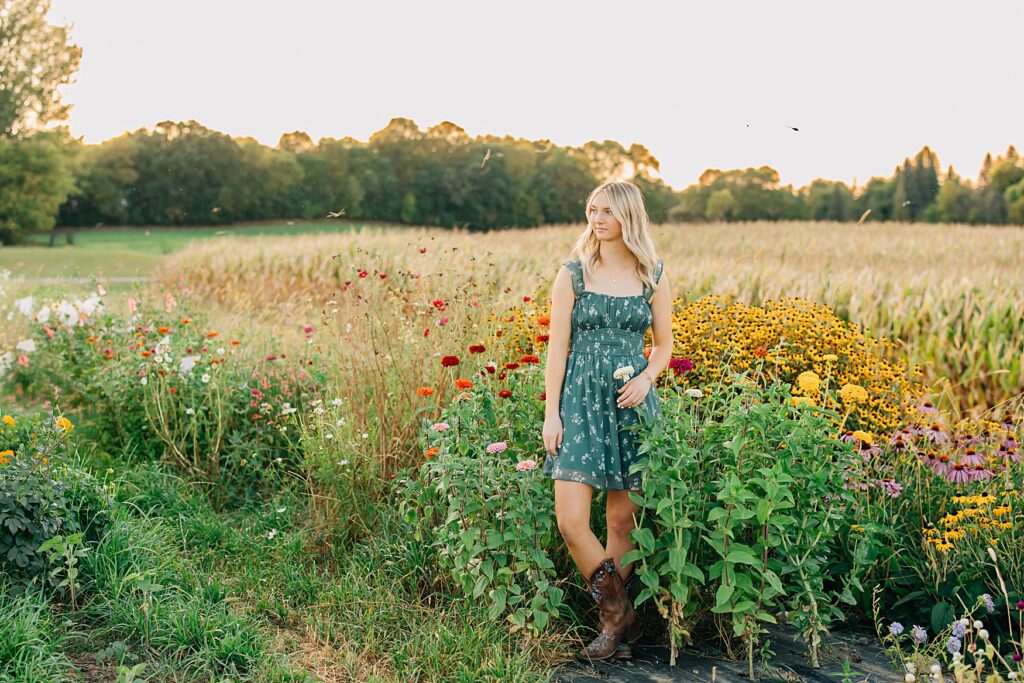
For photography, height changes everything. Taller flowers create immersion, soften backgrounds, and give you far more posing options than shorter plants ever will.
4. Layout
How your field flows matters just as much as what you plant. Thoughtful spacing, movement paths, and visual breaks turn a collection of flowers into a space you’re excited to photograph in.
5. Let those Flowers BLOOM
As mentioned above, this is the biggest differentiator between a photo-flower field and a flower farm. We’re not cutting and harvesting our flowers. Letting flowers fully bloom creates the fullness and abundance photographers are drawn to.
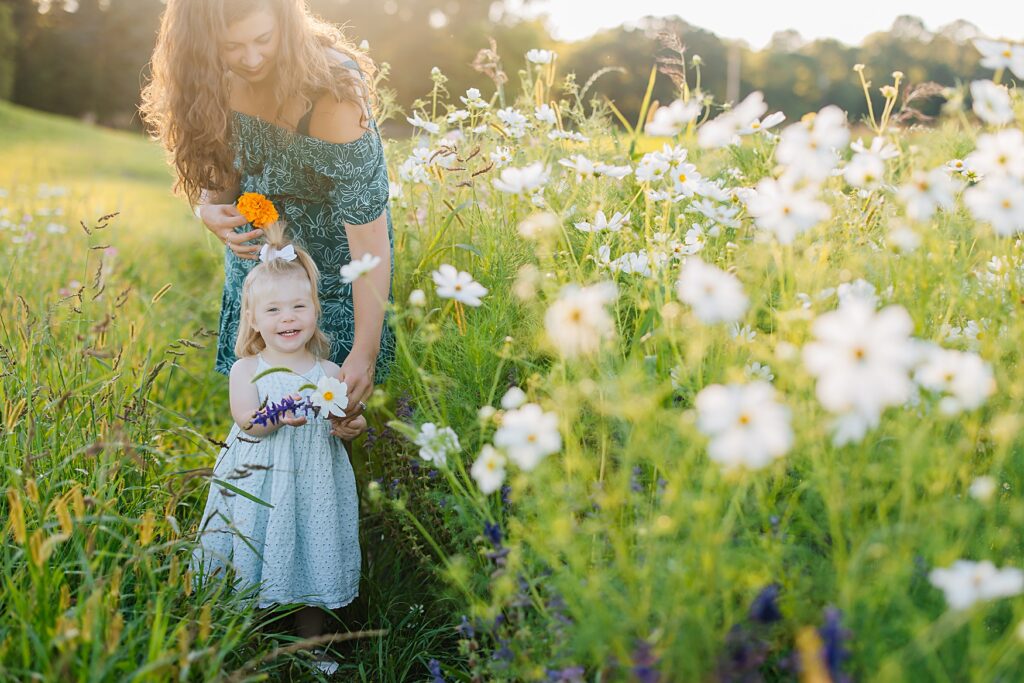
These five elements are just the foundation. Each one has layers of decisions behind it, ones I learned through trial and error and plenty of pulled plants.
I’m Creating a Step-by-Step Guide for Photographers Who Want Their Own Flower Field
After sharing pieces of this process online, I realized how many photographers want this look, but don’t know where to start or what actually matters.
I’m putting together a complete guide for photographers who want the look and feel of a flower field without becoming flower farmers. This guide is for photographers who want to spend more time creating and less time guessing.
- Written for photographers (not growers)
- Focused on decisions that shape how your field photographs
- Designed for real sessions with real clients
- Covers layout, flower selection, and water
- Built from my real-life experience growing and photographing my own field
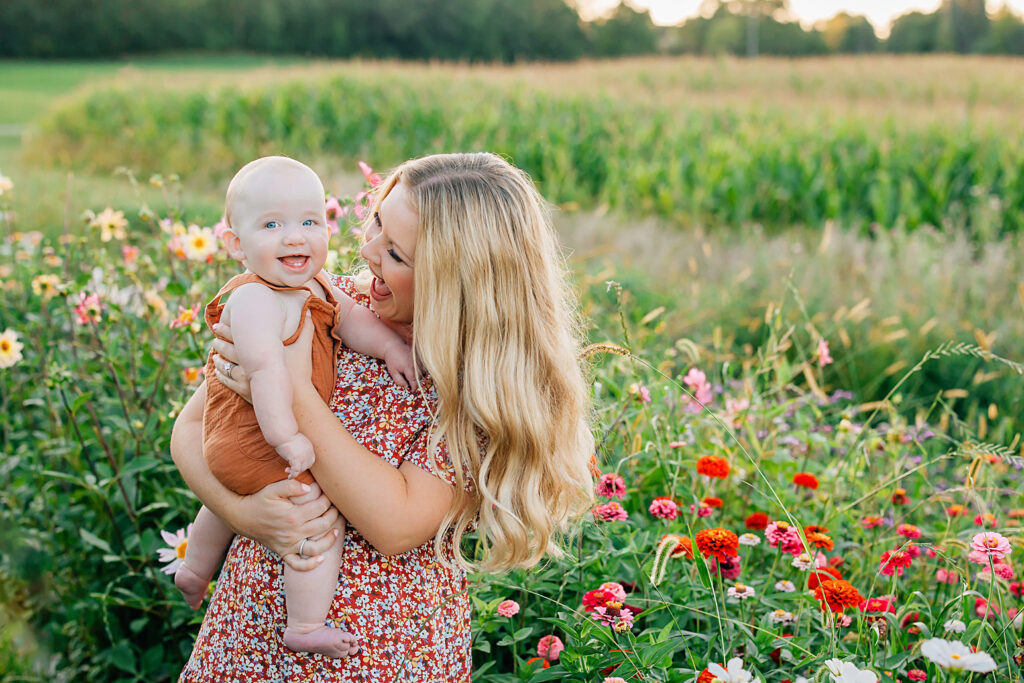
If growing flowers for photography is something you’ve been curious about, you can join the waiting list below to be notified when the guide is ready.
Join the waiting list to get early access when the guide is ready.